Affiliate marketing can be a great way to earn money online, whether you’re starting as a side hustle or aiming for a full-time income. The key is to build trust, provide real value, and recommend products that genuinely help your audience. Here are some simple strategies, tools, and platforms to help beginners get started.
Understanding Affiliate Marketing: The Basics
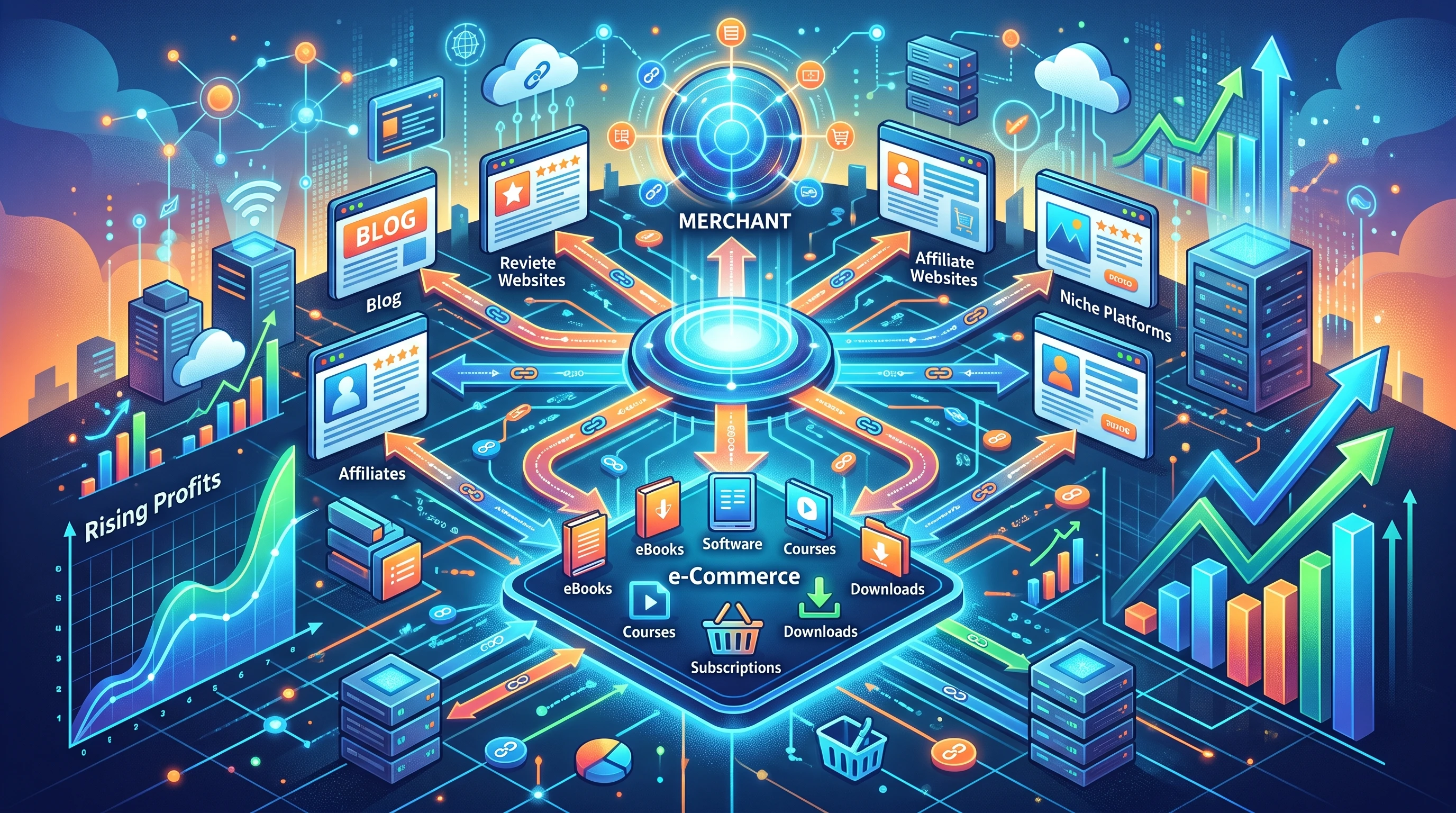
Affiliate marketing is basically promoting products or services online and earning a commission when someone buys through your unique referral link. It works for bloggers, influencers, YouTubers, and even people who prefer quiet, behind-the-scenes work with websites or email lists. This model keeps growing, with businesses big and small looking for partners who can introduce new customers.
If you’re starting out, the main thing to know is that you don’t have to create your own products. Instead, you find something you believe in, sign up for the company’s affiliate program, and recommend it honestly to your audience.
If you’re completely new to this business model, start by reading my What Is Affiliate Marketing? A Beginner’s Guide before learning how to create content that converts.
Key Affiliate Marketing Strategies for Success
Getting results with affiliate marketing isn’t about spammy links or forcing products on people. The most reliable approaches have more to do with sharing helpful recommendations and creating valuable online content than hard selling. Here are a few of the strategies that actually work in the long run:
- Choose Products You Genuinely Recommend: It’s a lot easier to write, talk, or make videos about something you trust. People pick up on authenticity, and it can make a real difference in your conversions.
- Focus on a Niche: Instead of targeting everyone, zero in on a specific audience with a shared interest—for example, camping gear for outdoor lovers or software for freelance writers. This helps you build authority and reach people looking for answers that fit their exact situation.
- Publish Helpful Content: Blog posts, reviews, tutorials, comparison roundups, or even videos make it easier for your audience to understand a product’s value. Solve problems and answer questions your readers might have.
- Use SEO friendly Content: Writing content that ranks in Google is a low-cost way to attract visitors continuously. Sprinkle in relevant keywords naturally, use clear headings, and answer real questions people type into search engines.
- Build an Email List: Email lets you connect directly with people who want to hear more from you. Send updates or helpful tips and occasionally recommend products you like.
- Test Different Offers and Tactics: Not every product or approach will work for every audience. Try different calls to action, incentives, or placements for your affiliate links, and see what clicks with your readers.
Choosing quality products is just as important as choosing the right affiliate program, so be sure to read my guide on How To Choose The Right Affiliate Program In 2026.
Launching Your Affiliate Marketing Adventure
Getting started isn’t complicated, but you’ll want a solid foundation. Here’s a roadmap that works:
- Pick a Niche: Think about your interests, the types of problems you can help solve, and potential audiences with buying intent. If you’re not sure, brainstorm what you enjoy talking about or researching. That authenticity will show in your content.
- Research Affiliate Programs: Start with Amazon Associates, Share A Sale, or individual brand programs. Look for programs that offer reasonable commissions, track sales accurately, and provide good support resources.
- Build a Platform: You don’t have to be everywhere at once! Most beginners start with a simple website or blog, but you can also use YouTube, TikTok, or email if you prefer those formats.
- Create Value Driven Content: Think blog articles, product reviews, tutorials, resource guides, or emails that directly answer your readers’ questions.
- Drive Traffic: Learn basics of SEO, share your content in relevant forums, social media groups, or even guest post on related websites. More eyeballs mean more clicks on your links.
- Analyze and Improve: Use basic analytics (like Google Analytics and affiliate dashboards) to see what content actually brings in sales, then make more of what works!
Once your content is published, you’ll need traffic. My Pinterest Affiliate Marketing Guide shows how to attract free visitors who are already searching for solutions.
Common Pitfalls and How to Avoid Them
Affiliate marketing is pretty beginner friendly, but there are still some things that can slow people down:
- Ignoring Your Audience: If content just feels like a sales pitch, people tune out. Stay focused on being helpful, even if it sometimes means recommending a free solution or another brand.
- Promoting Low Quality or Irrelevant Products: Anything that doesn’t fit your niche or has bad reviews can damage your reputation. Testing or researching products before sharing goes a long way in building trust.
- Not Disclosing Affiliate Links: In most countries, you’re required to clearly state when links are affiliate. A simple note like “This page contains affiliate links. If you click and buy, I may make a commission at no extra cost to you” keeps things above board.
- Overcomplicating Your Setup: Fancy tools and expensive software aren’t needed when starting out. Focus on creating genuine content and learning what your audience wants first.
- Giving Up Too Soon: Affiliate marketing takes time. Most folks see a trickle of commissions before things pick up, especially if you’re relying on SEO. It pays to keep learning and tweaking your process as you go.
If you’d like a deeper look at the platform, read my Wealthy Affiliate Review 2026, where I cover the features, pricing, and my personal experience.
How to Pick the Best Affiliate Programs
Programs aren’t all created equal. When I check out affiliate programs, I usually look for:
- Reliable Tracking and Reporting: Clear stats on clicks, conversions, and payouts help you see what’s actually working.
- Good Commission Rates: Some programs pay a flat fee, others a percentage. For example, digital products sometimes pay 30-50% or more, while physical goods tend to be a bit lower. Make sure the numbers work for your goals.
- Solid Product Reputation: Products or services with positive independent reviews and satisfied customers are way easier to recommend.
- Long Cookie Duration: Longer cookie windows (30-90 days) mean even if readers don’t buy instantly, you still get credit for the sale later.
Learning Affiliate Marketing with Wealthy Affiliate
There are a ton of “how to” guides online, but if you’re looking for an allinone, beginner friendly place to learn affiliate marketing and build an online business, Wealthy Affiliate (WA) is worth checking out. I’ve found their platform to be super useful, especially for folks who want the step-by-step path laid out.
Here’s what Wealthy Affiliate offers:
- Beginner Friendly Training: Simple tutorials, video lessons, and structured courses that guide you from setting up your first website to understanding keyword research and building quality content.
- Website Building Tools: No coding needed. They provide website hosting, site builders, and extra features to get you online fast. You can have your own site running in minutes.
- Keyword Research Tools: They’re in platform research tools help you find keywords with the best chances to rank, so you don’t need to buy extra software.
- AI Tools: For writing, brainstorming, and organizing your content, the AI powered helpers save time and keep quality high.
- Community Support: The WA community includes thousands of members, from beginners to experienced marketers. If you get stuck, there’s always someone to bounce ideas off or answer questions.
- Free Starter Account: You don’t have to commit to anything upfront. Sign up, test out the training and tools, and decide later if you want to go premium for full access.
If you want a straightforward path to building your affiliate site (with room to grow as you learn), check out Wealthy Affiliate here. You can start for free to see if it fits your style before committing to anything.
Advanced Tactics for Scaling Up
Once you’ve got the hang of things, you can try a few extra tactics to bring in more traffic and give a boost to your affiliate sales:
- Create Comparison and “Best of” Guides: People love seeing choices side by side. Make honest comparisons to help readers pick what works for them.
- Grow Your Email List: Offer a free guide or resource in exchange for reader emails. Send regular updates and useful tips, then recommend products when it makes sense.
- Make the Most of Social Proof: Share testimonials, reviews, or personal success stories (yours or from others) to show real world results. Social proof builds trust and encourages clicks on your links.
- Use Video Content: Demo products, unbox things, or walk through step-by-step tutorials. YouTube and TikTok are great for driving new traffic and building trust quickly.
- Keep Updating Content: Refresh older posts, add new info, or update with the latest deals. Staying current helps you stay relevant in search results, too.
You can also join forces with other creators in your niche. Teaming up for guest posts, interviews, or joint promotions can get you in front of new audiences quickly. If you’re comfortable, try running small giveaways or contests related to your niche products, which can help grow your list or bring in new visitors to your site.
Real-World Examples of Affiliate Marketing Success
There’s no single way to win at affiliate marketing. I’ve seen people succeed in all sorts of niches, from pet care and tech gadgets to food and finance. Here are a few examples of how people use these strategies in action:
- Niche Blogs: Someone passionate about homebrewing publishes guides, gear reviews, and recipes. Each article recommends tools and ingredients through affiliate links.
- YouTube Channels: A creator reviews fitness trackers and earns commissions when viewers click links in the video description to buy their recommended model.
- Email Newsletters: A writer curates weekly business software tips, recommending their favorite tools and earning a slice when readers subscribe or buy.
- Podcast Hosts: Podcast creators often recommend helpful software, books, or services tied to their show’s topic and include affiliate links on their website or show notes.
You might be surprised at the variety of products that have affiliate programs. Think hobbies, health, education, travel, home improvement, and even local services. The key is focusing on helping people in your chosen niche solve real problems, not just chasing high payouts.
Frequently Asked Questions
Question: Can I do affiliate marketing without a website?
Answer: Yes, it’s possible using YouTube, social media, or email lists, but a website gives you more control and is easier to build sustainable traffic for most people.
Question: How soon can I expect to see earnings?
Answer: It depends on your niche, content quality, and how you drive traffic. Some see their first earnings within a month or two, but steady, meaningful income often takes a few months of consistent work.
Question: Are there upfront costs to start affiliate marketing?
Answer: You can start with free blogging platforms or low-cost hosting, but investing in your own domain and some basic tools makes growth easier long-term.
Question: Do I need to be an expert to earn with affiliate marketing?
Answer: Not at all. Being honest about your experiences and focusing on helping others is usually more important than expert status, so just keep learning and sharing along the way.
Affiliate marketing is totally approachable for beginners who are ready to learn and put in some effort. Focus on providing value, use tools that make your life easier, and keep experimenting to find what works best for your style and your audience.
Ready to get started? Find a niche you care about, check out resources like Wealthy Affiliate, and put these strategies to work today. Your first commissions could just be a few clicks away.
Thank you! You nailed the part many beginners miss: affiliate marketing works best when useful content comes before the commission. In my experience building content sites, focused guides, honest comparisons, and updates based on what people are actively searching for tend to create far more durable traffic than chasing every high-paying offer.
I’d add that first-hand testing and clear affiliate disclosures are trust builders, not obstacles. A smaller niche with a defined audience can absolutely outperform broad content when each recommendation solves a real problem, and that long-game approach is where the momentum starts to stack up.
Thanks for your comment! I really appreciate you sharing your thoughts.
There are a lot of good ideas here. One thing I’m beginning to realize with affiliate marketing is that there is always something else you could be doing. You can write new content, work on SEO, promote on social media, build an email list, research affiliate programs, or go back and improve what you’ve already published.
Your point about updating older content especially caught my attention. I’ve been concentrating mainly on adding new articles to my site, but I’m getting to the point where I have enough older content that I probably need to spend more time going back through it as well.
– Scott
Hi Scott, thank you for your thoughtful comment! Updating older content is definitely worth making time for, especially when you already have a good collection of articles. Sometimes improving what we already have can be just as valuable as creating something new.