 Affiliate marketing is one of those online business models that a lot of people talk about, but it can be confusing to figure out what it actually means. I remember when I first started hearing about it, I thought it was just some fancy website advertising. It’s actually a super practical way for anyone to earn income online. There’s no need to create your own product or handle customer service.
If you’re curious about how people earn commissions by recommending products online, this guide covers everything you need to know as a beginner. Whether you’re looking to make some extra money on the side or hoping affiliate marketing could turn into a full-time gig, it’s totally worth understanding how it works and what you need to get started.
Here’s a complete beginner’s guide to affiliate marketing, packed with tips, key ideas, and practical steps so you don’t have to feel lost or overwhelmed. Ready to jump in? Time to roll!
What Is Affiliate Marketing?
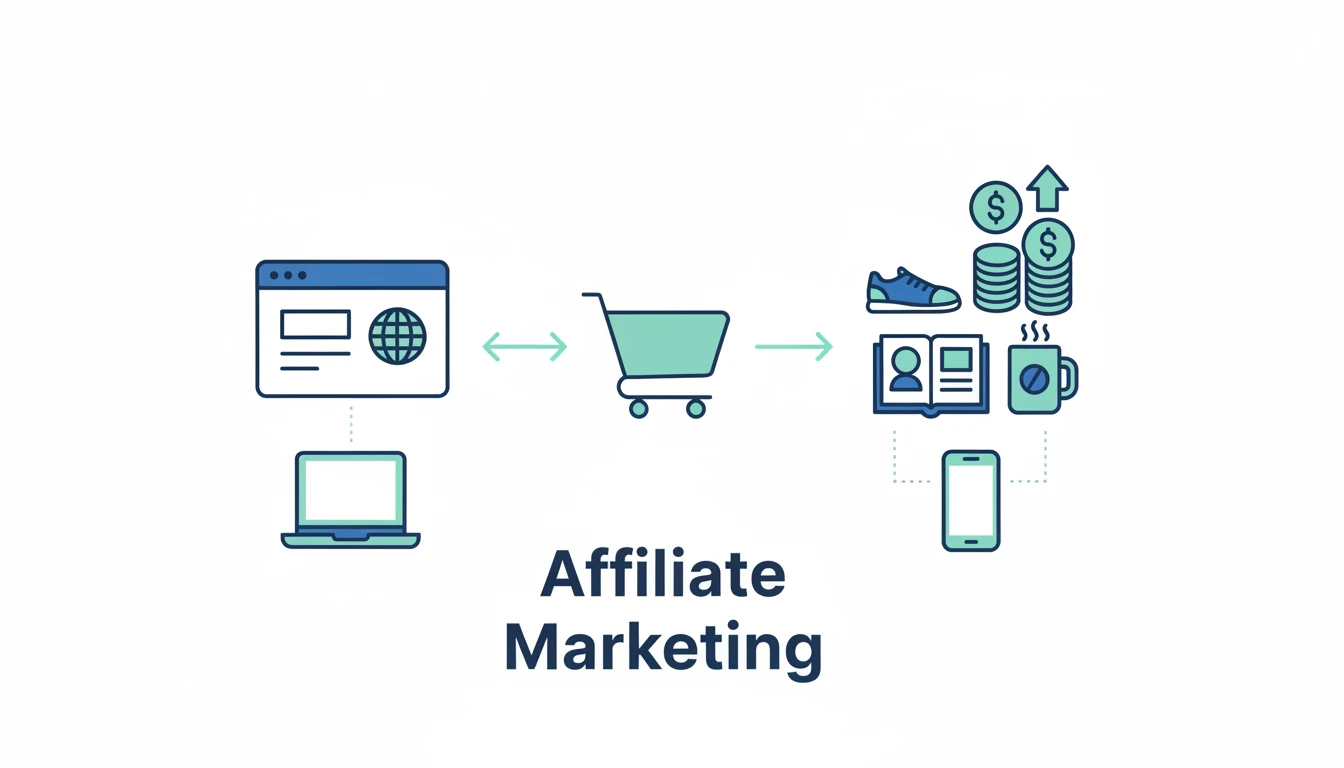
Affiliate marketing is a partnership between a business (the merchant) and an individual or website owner (the affiliate). Affiliates promote products or services using special links, and when someone buys something after clicking the link, the affiliate earns a commission.
It’s a win-win setup. The merchant gets more sales or leads, and the affiliate gets paid for sending customers their way. The best part? You don’t need to own the product yourself. You recommend things you like (or that fit your audience), and get rewarded if people trust your suggestion enough to buy.
How Does Affiliate Marketing Work?
- The affiliate joins an affiliate program (like Amazon Associates, ShareASale, or a company’s own program).
- The affiliate gets access to unique tracking links for specific products or services.
- The affiliate shares those links through a website, blog, YouTube, email, or social media.
- Someone clicks the link and makes a purchase.
- The affiliate program tracks the sale and pays the affiliate a percentage (the commission).
Tracking is handled by the affiliate program, usually with cookies and unique URL codes. This makes sure the sales you helped with can be credited back to you, even if a customer returns later to finish their order.
Types of Affiliate Marketing & Common Models
Affiliate marketing isn’t just onesizefitsall. There are a few different ways it’s commonly set up, depending on what you’re promoting and what the company wants to achieve:
- Payper-sale: You earn a commission whenever someone you referred actually makes a purchase. This is the most popular model (think Amazon or any online store affiliate program).
- Payper-lead: Instead of a sale, you get paid when your referral submits their info or signs up (like creating a free account or filling out a form). This is big in insurance or software trials.
- Payper-click: Every time someone clicks the affiliate link, you get paid, even if they don’t buy. This model is a bit rarer because companies usually want a more direct return, but it still exists for certain niches or ads networks.
Who Can Be an Affiliate?
Just about anyone! Bloggers, YouTubers, TikTokers, newsletter writers, even people active on certain forums or using messaging apps. If you can share a link and people trust your opinion enough to check it out, you can try affiliate marketing.
Increasingly, small communities on platforms like Discord, WhatsApp, or LinkedIn are leveraging affiliate marketing as well. As long as you maintain honesty and deliver value, your audience doesn’t have to be massive to get started either.
Why Try Affiliate Marketing?
There are a few reasons people love affiliate marketing. Here’s what I find appealing about it:
- No product to create. You don’t need to spend months or years inventing something; just find existing products you believe in.
- Low startup costs. Setting up a basic blog or social channel is affordable (sometimes free). No inventory, shipping, or customer support needed.
- Flexible schedule. You decide when and where to work. Whether you’re a night owl or an early riser, affiliate marketing fits into nearly any routine. It can be a side project or your main focus.
- Passive income potential. Create content once, like a blog post or video, and earn commissions as long as it keeps sending traffic.
- Diverse earning options. Promote anything from physical products to software, webinars, online courses, digital downloads, and more.
While some folks make a full living from affiliate marketing, it usually takes time to scale up. Most people start off earning a little here and there, then build up as their audience grows. Consistency and patience truly set the stage for longterm results.
How To Get Started With Affiliate Marketing
Getting started is actually pretty straightforward. Here’s a stepbystep outline based on my own experience and what works for most other beginners:
1. Choose Your Niche
Don’t just promote random products; it’s easier and more fun to focus on a topic or type of product you know something about, enjoy, or have experience with. For example, maybe you’re into home workout gear, travel gadgets, gaming accessories, or budgeting tools. Having a clear focus helps you connect with a community and earn trust. Plus, creating content around a single niche makes your site or profile more attractive to brands and followers alike.
2. Find Affiliate Programs
Once you know your niche, look for relevant affiliate programs. You can start with big networks like:
Or, check the websites of your favorite brands and scroll to the bottom; there’s often a link for affiliates. Signing up usually just takes a few minutes and is free. You can also jump into niche platforms, like Rakuten or Impact, for added variety.
3. Set Up Your Platform
You need a place to share your links. A website or blog is popular because you own it, but you could also start with a YouTube channel, an Instagram or TikTok account, a newsletter, or even a helpful Facebook group. As long as it’s a space where you can genuinely help people and share what you love, it works. Consider mixing in content like email tips, resource guides, or podcast episodes—the more formats you try, the wider your reach.
4. Create Honest Content
This part is really important. Instead of spamming links everywhere, focus on making reviews, guides, unboxings, or list posts that solve a problem for your audience. For example, a list of “Best Budget Kitchen Gadgets” or a video review of your favorite planner. Authenticity earns trust and keeps people coming back for more recommendations. Share your honest experiences—even your dislikes—to show you’re putting your audience first.
5. Add Your Affiliate Links
Whenever you mention a product you love, use your special affiliate link. This way, every time someone clicks and buys, you get credit. Always disclose that it’s an affiliate link so people know what to expect (most countries require this for transparency). A simple note like, “This post contains affiliate links. I may get a commission if you buy through my link—at no extra cost to you,” gives your readers clarity and builds trust.
6. Focus on Traffic & Trust
The more people who see your content, the bigger your earning potential. Learn some basic SEO (search engine optimization), promote your work on social, and spend time interacting with your audience. Building trust is more valuable than a quick commission. Responding to comments and emails, offering extra resources, and showing up consistently can make a big difference in your long-term results.
If you’re unsure how to boost traffic, check out free tools like Google Search Console, try keyword research to find out what people are searching for, and consider collaborating with others in your niche for cross-promotion.
Common Questions and Tips for Success
How much can I earn with affiliate marketing?
There’s no single answer because it depends a lot on your traffic, your niche, and how involved your audience is. Some beginners earn a few dollars a month, while others eventually bring in thousands. Starting slow is totally normal. Setting realistic expectations makes the process less stressful and more fun—each win builds your confidence.
Is affiliate marketing legal?
Yep! It’s a legitimate business model. Just be transparent with your audience about affiliate links and always follow the rules your program or platform provides. Some marketplaces have extra guidelines, so read the program terms carefully before posting.
What are some beginner mistakes to avoid?
- Chasing commissions from random products instead of picking a niche.
- Using misleading or clickbaity links; this kills trust fast.
- Ignoring your audience’s needs. Your goal is to help, not just sell.
- Forgetting to check the terms of your affiliate agreements.
- Overlooking mobile users when sharing links or designing your site—most visitors browse on their phones now, so test your posts and links on multiple devices. Keeping this in mind can prevent missed sales!
Steering clear of these helps you build a much healthier and reliable affiliate business. And remember, focusing on helping your audience rather than making a quick buck pays off in the long run.
Final Thoughts & Your Next Steps
Affiliate marketing is super approachable, and it’s a popular way for regular people to earn online by recommending products they trust. If you’re patient and focus on helping your audience, your efforts can snowball over time. Here’s how to kick things off and keep the momentum going:
Your Action Steps:
- Pick a niche you care about—something you enjoy or are willing to learn about.
- Sign up for at least one affiliate program that matches your niche and dig into what works on that platform.
- Start a blog, YouTube channel, or social profile. Share your first honest recommendation along with your affiliate link. Don’t be shy about sharing your knowledge or asking questions. Engaging with your audience as you learn is part of what makes this adventure rewarding.
Give yourself time to learn and experiment; the more helpful your content, the better your results will be. If you’ve got questions, want to ask for advice, or feel like sharing your own affiliate adventure, drop a comment below! Everyone starts as a beginner, and every step forward is progress.