Affiliate marketing can seem like an easy way to earn money from a laptop. A lot of people like that idea at first. But not every program is honest and there are scammers looking for new people who might miss the signs. I think it is important to know what to watch for before starting though.
Some programs promise a lot without much work. That is pretty common in these scams and spotting them can be tricky at times. Maybe look at how they pay or if they ask for money up front. Building something real takes time and effort though.
It feels like the good programs are the ones that have been around for a while. Others might not pay out when you do make sales. This part gets a bit messy if you are not sure what is legit. Some people see it one way and others do not.
Tips that work include starting small and learning the basics first. Not everything has to be perfect right away. It seems like that is the part easy to miss when you are just getting into it.
Types of Affiliate Program Scams
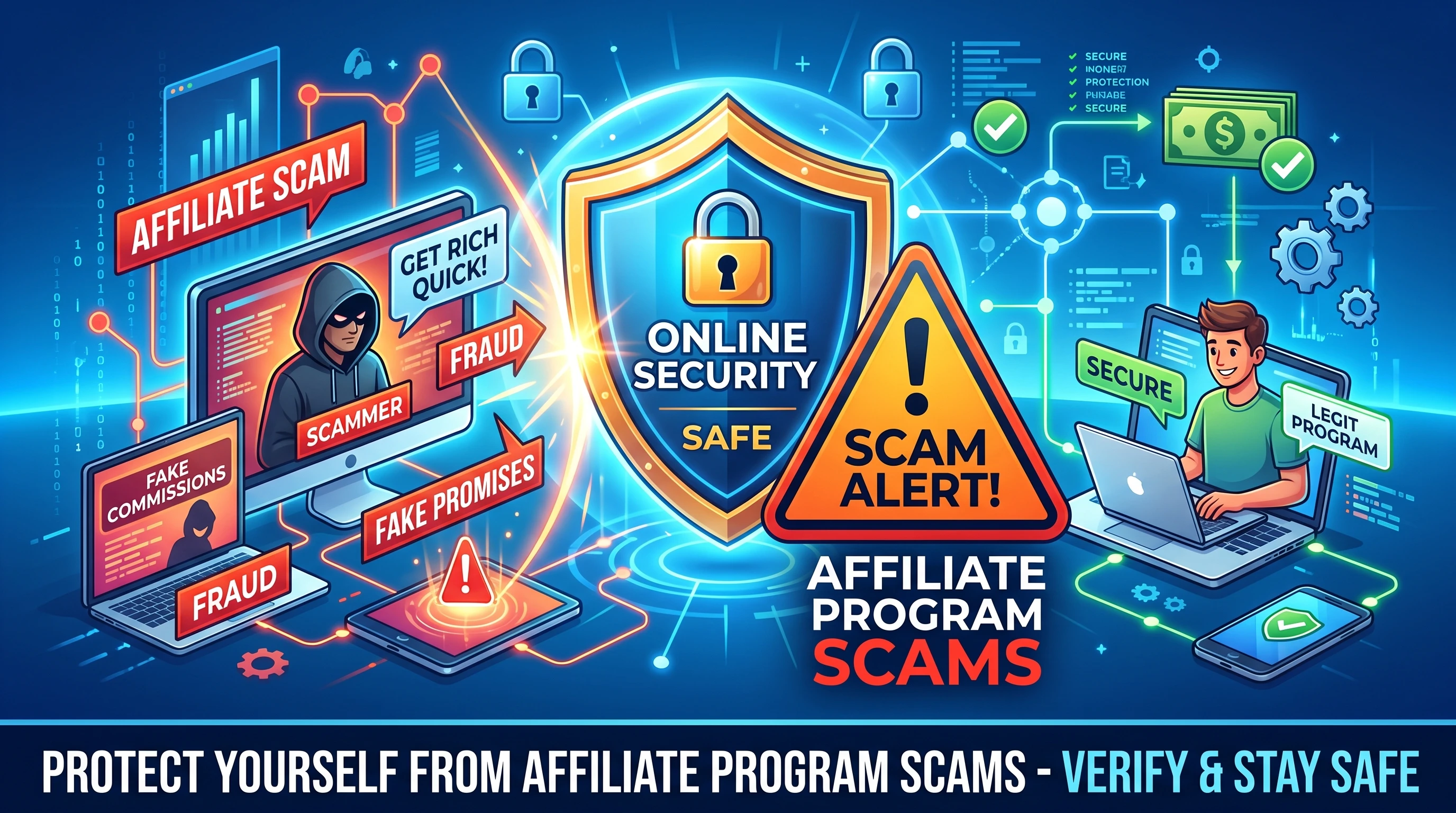
Scams in affiliate marketing come in more forms than you might expect. Some look really convincing, while others seem sketchy from the start. Here are ones you’re likely to run across if you’re searching for affiliate opportunities online:
- Fake Affiliate Programs: Some scam sites pretend to be affiliate programs, collecting your info or fees but never letting you earn real commissions. They disappear without paying affiliates or simply never respond.
- Unrealistic Income Promises: Scams love bragging about huge, easy money. For example, “Earn $1,000 a day with no work!” Real programs don’t make those claims because affiliate marketing takes time.
- Upfront Fees to Join: Most honest affiliate programs are free to join. Scams often charge “membership” fees or expensive training costs just for access to their program.
- Fake Products or Services: It’s not just about the program. Some scammers run fake online stores or services and use affiliates to push them. Commissions earned on these never get paid, and your reputation is on the line for promoting a bogus offer.
- Pyramid and MLM Schemes: If a program pays you more for recruiting new affiliates than for selling real products, it could be a pyramid scheme, not true affiliate marketing.
- Phishing and Malware Links: Some so-called “affiliate” programs only want to get you to spread links that steal data or install malware. Usually, they dress this up as a legitimate offer, so always check where your links lead!
- Suspicious Requests for Private Information: Watch out if a program asks for your banking logins, full Social Security Number, or other sensitive data unrelated to standard payment processing. That’s a red flag for identity theft.
If you’re completely new to this business model, start by reading my What Is Affiliate Marketing? A Beginner’s Guide before learning how to create content that converts.
How to Spot Affiliate Program Scams
Avoiding scams is mostly about spotting the signals that set real programs apart from shady ones. Here are some things I check every time I sign up for a new affiliate offer:
- No Company Information: If you can’t find a physical address, company registration, or real contact details, stay away. Legit companies want to be found.
- Poor or No Online Reputation: Google the program plus “scam” or “reviews.” Real affiliate programs get talked about. No results, or lots of complaints, is a warning sign.
- Poor Website Design and Broken Links: Scam sites are often slapped together quickly and look unprofessional, such as broken links, typos, strange graphics, or missing terms of service.
- Unusual Payment Systems: Watch out for programs that refuse to use standard affiliate networks like Share A Sale, CJ, or Rakuten and instead demand direct PayPal “donations” or cryptocurrency only.
- High Pressure Sales or Urgency: Scammers love saying “Join NOW or miss out!” Real affiliate programs are open year-round and don’t apply pressure to get your money or info fast.
- Vague or No Details About the Product: If you can’t see what you’d be promoting, or the offer copy is nothing but hype, that’s a sign to back away.
Example Scenarios: How These Scams Play Out
I’ve seen quite a few scam attempts over the years. Here are some common tricks that come up all the time:
- The “Secret System”: You spot an ad for a system that claims to unlock endless affiliate commissions. The catch? You have to pay a fee before even finding out what you’re “selling.” After you pay, the info is recycled junk, and there’s no actual program behind it.
- The “Exclusive” Opportunity: An email or message invites you to a private affiliate program. They want you to fill in a form with your banking info or direct deposit card details. The program either runs off with your cash or sells your data.
- The Mystery Product: You join a program but can’t see the full details of what you’ll be promoting, even in the dashboard. You later find out the links are phishing attempts or go to sites with malware.
Choosing quality products is just as important as choosing the right affiliate program, so be sure to read my guide on How To Choose The Right Affiliate Program In 2026.
Affiliate Program Scams: Warning Signs Checklist
Whenever you’re thinking about joining a new program, use this simple checklist before you hit sign up:
- Is there a real company with a physical address?
- Are reviews and discussions about this program easy to find from real users?
- Does the website explain the product and commission structure clearly?
- Are terms and conditions available and easy to read?
- Can you join and promote without paying upfront?
- Do they use standard, secure payment systems?
- Are there any pressure tactics, wild income guarantees, or no contact details?
If you answer “no” to any of these, it’s worth pausing and doing a little more research first. Taking an extra moment can save you from a lot of problems down the road. Always pay attention to your instincts and the details presented.
Building a Legitimate Affiliate Marketing Business
Starting in affiliate marketing with honesty and patience sets you up for long-term results. Here’s what has worked best for real affiliates:
- Work with established affiliate networks or trusted brands that have a reputation for paying out.
- Create valuable content that actually helps your audience. People remember who referred them, so building trust matters more than fast cash.
- Don’t expect overnight success. Affiliate income grows as you publish quality content, drive traffic, and build credibility over time.
- Keep records of your commissions, advertising, and payments to track what works and avoid surprises.
- Stay up-to-date with industry news and learn from communities or forums where affiliates help each other. Sharing your experiences and learning from others’ mistakes boosts your chances of success.
If you take it slow, stay focused on helping your readers, and watch for the warning signs, you can avoid affiliate program scams. Focus on providing real solutions for your audience and you’ll be building something genuine and rewarding for the future.
These affiliate marketing resources can help you find profitable keywords faster.
Is Wealthy Affiliate Legit or a Scam?

One platform you’ll see debated a lot, both positively and negatively, is Wealthy Affiliate. So, is Wealthy Affiliate legit or a scam? Here’s what you should know:
Wealthy Affiliate is a training platform and community that teaches beginners how to do affiliate marketing. They offer step-by-step lessons, tools for building websites, keyword research tools, and a forum where members share advice. It’s been around since 2005, has thousands of active members, and partners with respected companies for training and hosting.
While not a scam, Wealthy Affiliate isn’t a “get rich quick” scheme. Some people join hoping for instant results, but success comes with time and effort, just like any real business. For beginners who want to explore the platform before paying, Wealthy Affiliate currently offers a free Starter plan with no credit card required. This gives you an opportunity to explore the platform and decide whether it fits your goals before considering a paid membership.
When looking at platforms like Wealthy Affiliate, I always look for:
- Clear description of what’s offered (training, tools, hosting, support)
- No pressure to upgrade or make “one-time” offers that disappear
- Lots of third-party reviews (sharing both pros and cons)
- Upfront about the work involved, with no outrageous income promises
Wealthy Affiliate generally ticks those boxes. Still, I always encourage readers to research any program themselves. Read reviews, visit the community, and don’t rush into paid memberships anywhere. Taking your time helps you avoid mistakes others may have made before you and helps you get a feel for whether a community is right for you.
Common Questions About Affiliate Program Scams
How can I verify if an affiliate program is real?
Start by checking for company info, clear offer details, and searching for real user reviews online. Ask questions in forums or Facebook groups. If nobody’s heard of it or everyone says it’s shady, trust your gut and skip it.
Are all paid affiliate programs scams?
No, but having to pay to join should always raise a red flag. Some programs or networks charge for premium tools or extra training, but reputable ones let you promote products without mandatory fees.
What if I’ve already signed up for a scam?
If you entered personal or financial info, update your passwords immediately and monitor your accounts. For money lost, reach out to your payment provider or bank for help. Report scams to your country’s consumer protection agency, so others can be warned as well.
Get Started with Real Affiliate Marketing
Disclosure: This article contains affiliate links. If you sign up through one of my links, I may earn a commission at no additional cost to you.
Affiliate marketing is worth doing if you focus on building trust, publishing quality content, and joining programs that actually value your work. If you want a legit start, Join Wealthy Affiliate for free and learn from a community of real affiliates, not just marketers shouting hype. It’s a safe way to dip your toes in and see what real online business looks like before you commit to anything paid. Remember, patience and research are the keys to lasting success in affiliate marketing.
You have some valid points here and these listed items are definitely red flags when it comes to joining affiliate programs. I am very careful and always tend to go for the popular ones and not names I haven’t heard of, but I am probably limiting myself in this regard and now will use your tips to identify decent ones.
I also find that most legit programs don’t ask you for payment to join. You are doing them a favor by promoting for them so why would you have to pay to join?
Thank you, Michel! I completely agree with you. Legitimate affiliate programs usually don’t require you to pay just to join, which is why that’s such an important red flag to watch for. I’m glad you found the tips helpful, and I appreciate you sharing your experience!
Thanks for mapping out the red flags so clearly. In my years running online projects, I have learned that checking the product, commission terms, and independent feedback before publishing a single affiliate link saves a lot of cleanup later, especially when a brand’s promises feel bigger than its actual customer value.
I also keep a simple record of payout dates, support responses, and any changes to program terms, because a legitimate affiliate partnership should be transparent long after the signup page. That extra bit of due diligence protects both the affiliate and the audience and helps build the trust that makes sustainable, SEO-driven content work.
Thank you, Aly! I completely agree. Doing your research and keeping track of program changes can really help protect both affiliates and their audience. Great points!